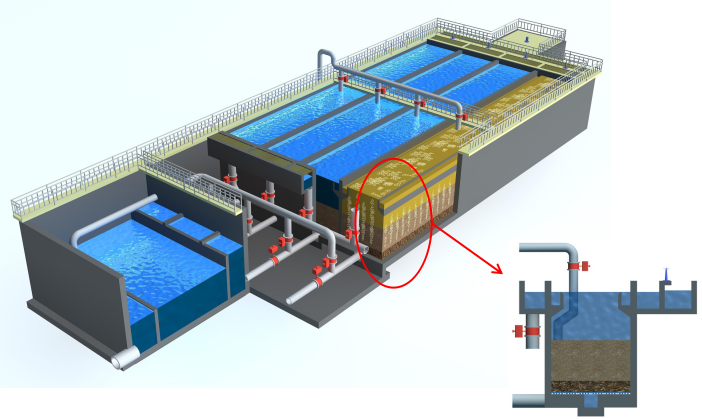
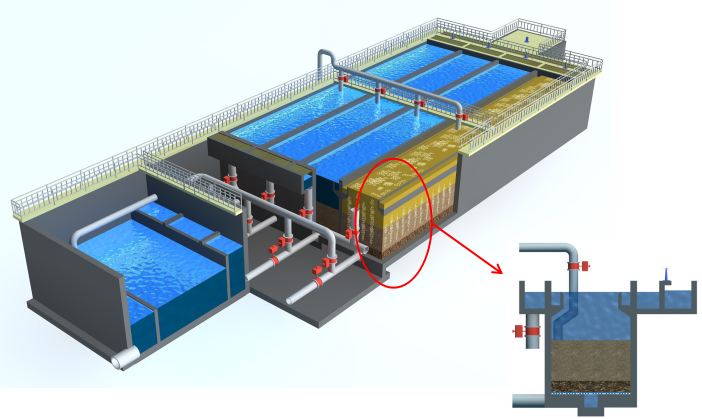
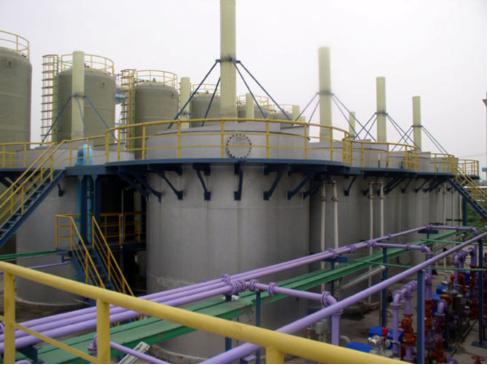
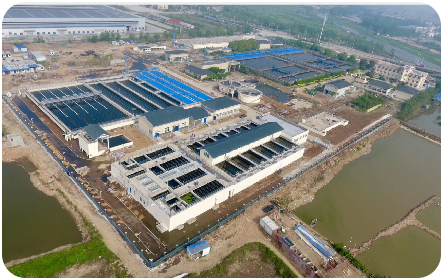
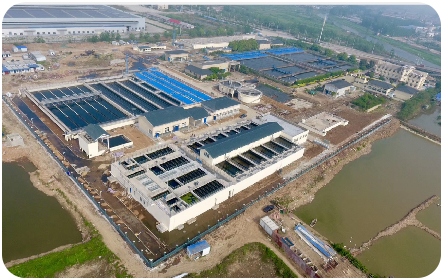
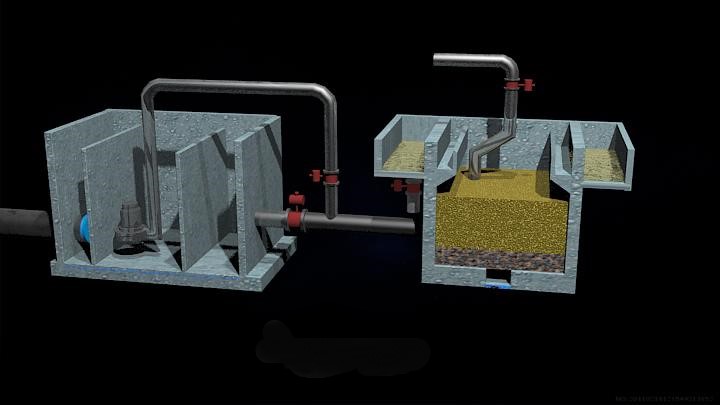
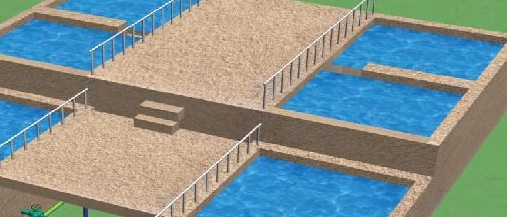
Combining denitrification with deep bed filtration, denitrifying deep bed filter is a treatment unit integrating biological nitrogen removal and filtration. After the secondary sedimentation tank discharges the effluent, the model can be integrated with other treatment units perfectly, with the functions of nitrogen removal, phosphorus removal, and removal of suspended solids, etc.
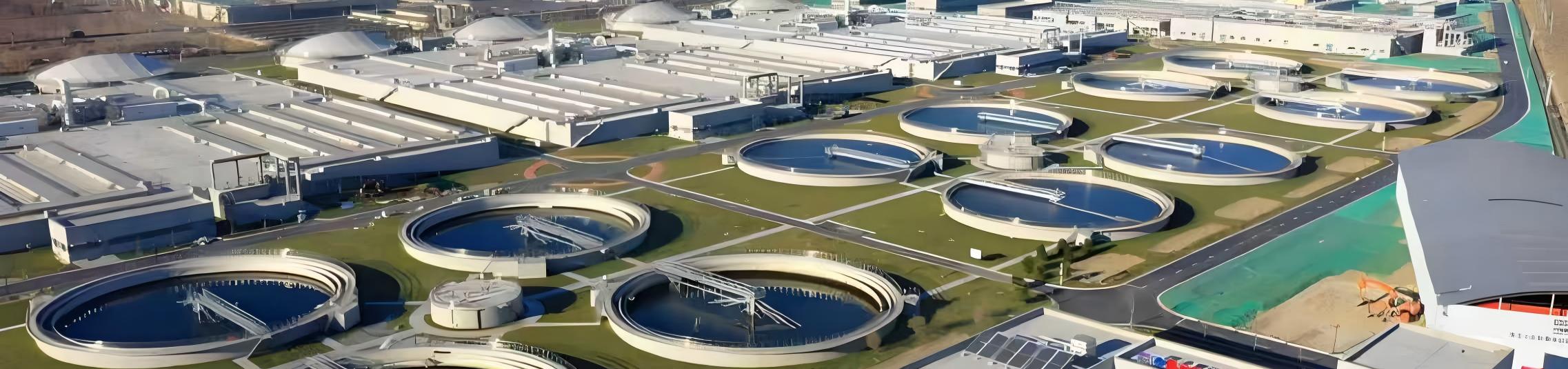
Denitrification deep bed filter is especially suitable for the upgrading and reconstruction of municipal wastewater treatment plant, such as upgrading from the Grade B of Level I to Grade A of Level I, or from Grade A of Level I to IV Category of surface water.
 |
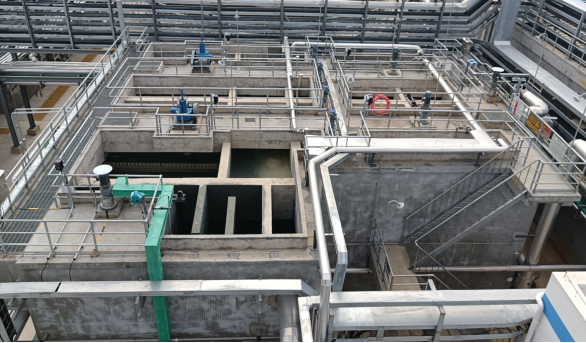
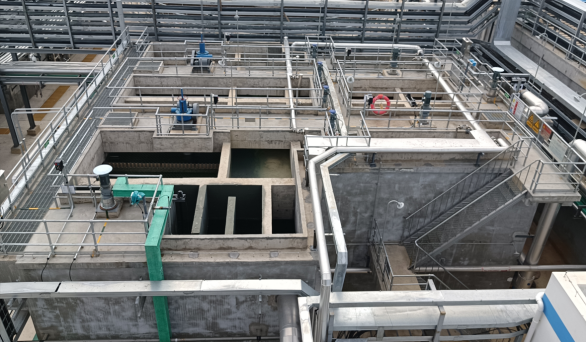
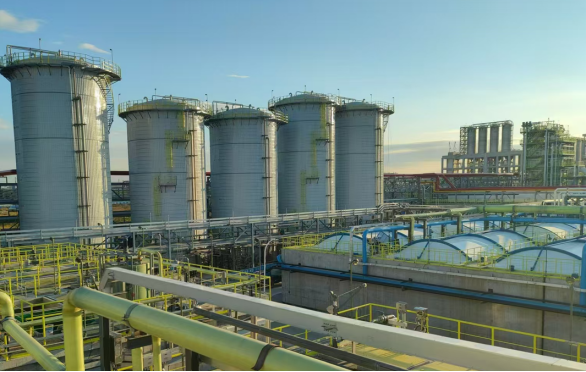
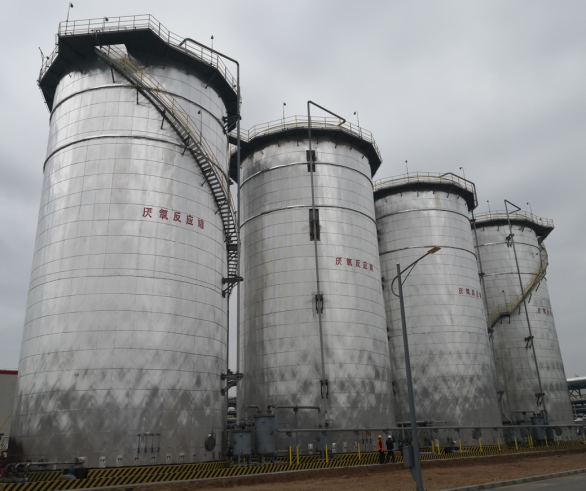
For wastewaters from industries such as coal chemical industry, new materials, petrochemical industry, smelting and non-ferrous metals, electronics, and pharmaceuticals—which contain pollutants like high COD, high ammonia nitrogen, high organic nitrogen, high salt, cyanide, heavy metals, and refractory organic substances—the company has mature technical means including "advanced catalytic oxidation, anaerobic denitrification, and hardness & fluoride removal". It also selects appropriate pretreatment technologies based on the specific characteristics of different water qualities to effectively remove characteristic pollutants and improve the biodegradability of the wastewater.
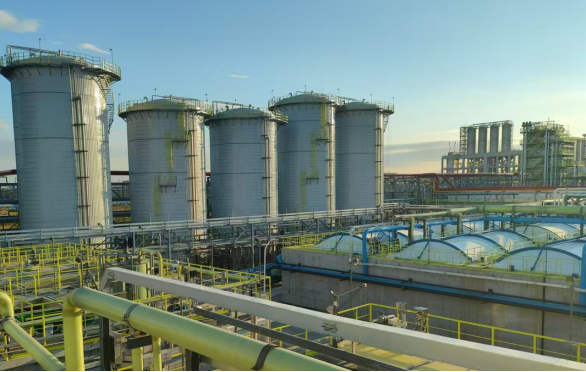 |

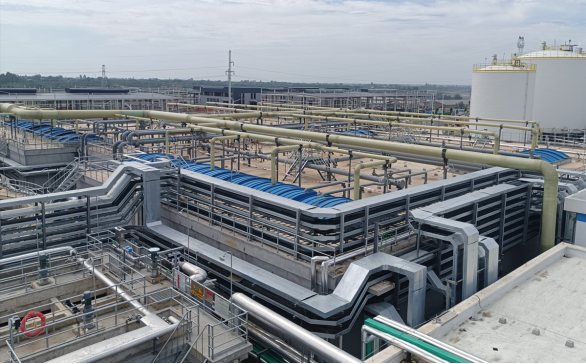
The company has a profound understanding and rich practical experience of mainstream processes such as A²/O, two-stage A/O, improved SBR, and MBR. Especially in the treatment of high-concentration organic wastewater, the company's "pre-acidification + high-efficiency anaerobic + improved two-stage A/O" combined technology is particularly outstanding. It can effectively remove COD and achieve biological denitrification, laying a solid foundation for subsequent advanced treatment.
 |
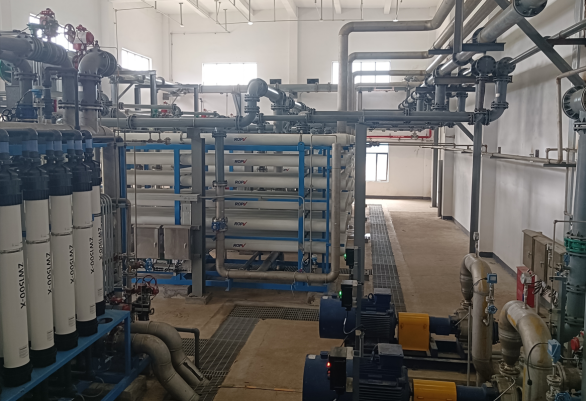
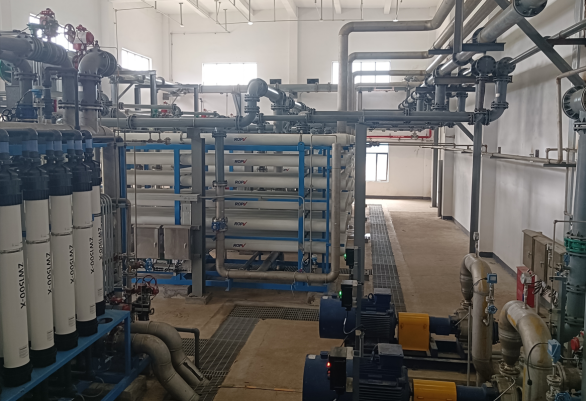
In the field of wastewater reuse and zero discharge, the company's integrated "ultrafiltration + reverse osmosis" dual-membrane system can produce high-quality reclaimed water, which is widely used for make-up water in circulating cooling systems and process water in production. For higher standards of "zero discharge" requirements, the company has mastered the technology chain of "hardness and silica removal + COD removal + high-efficiency reverse osmosis + MVR/multi-effect evaporation crystallization", achieving wastewater concentration and salt crystallization separation.
Through the use of new integrated high-precision detection equipment, real-time monitoring data collection of water treatment systems is carried out. The value and logical relationships of the data are fully explored to achieve intelligent control, data resource utilization, optimized management, and smart decision-making of water treatment systems. This ensures the stable operation of water plant facilities, making water plant operations more efficient, management more scientific, and services of higher quality. The detection equipment adopts a micro-spectrum chip with independent intellectual property rights, which can integrate the core components of the spectrometer at the millimeter scale. While maintaining performance, it reduces the volume of traditional spectrometers by hundreds of times. With advantages and features in terms of volume, weight, and power consumption, it is convenient to achieve in-situ and real-time online monitoring.
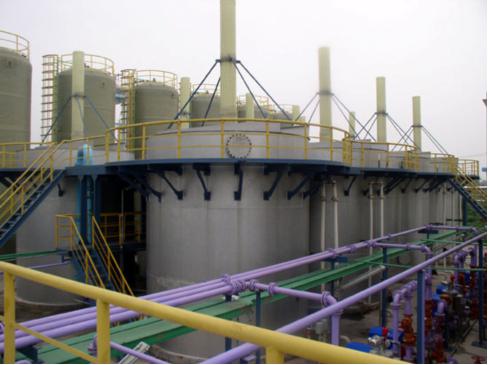
By using reduced sulfur to provide electron donors and energy sources, replacing the traditional method of adding carbon sources, Thiobacillus denitrificans in nitrogen-containing wastewater is significantly enriched and propagated. The competition among microbial populations is relatively low, and nitrate in the water body rapidly acquires electrons under the action of microorganisms, which are then reduced to nitrogen gas. The efficiency of this process is several times higher than that of traditional heterotrophic denitrification, and it is more economical.

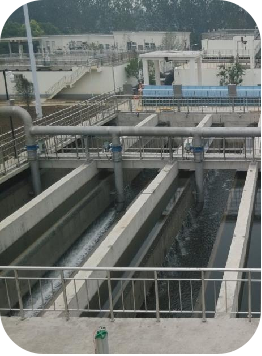 | 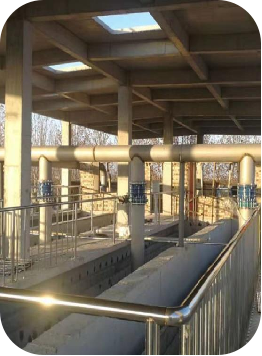 |
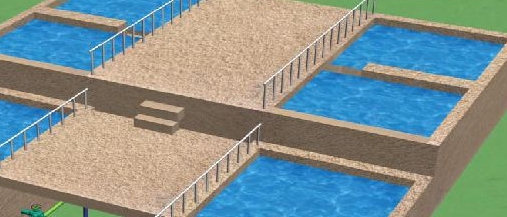
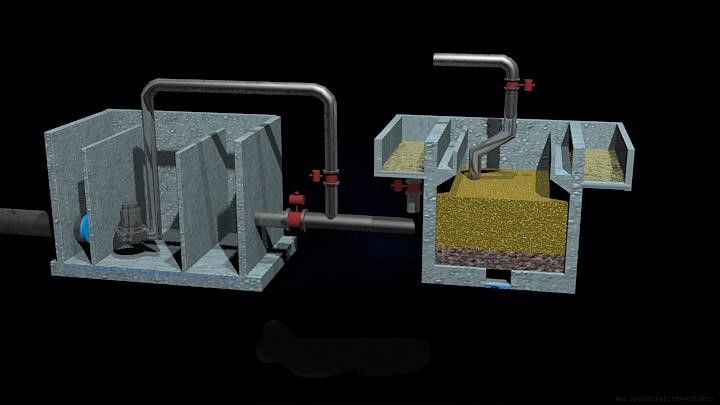
Biological Filter is man processing technology relying on physical filtration of the filler in the sewage (waste) water treatment structures, whereas it attains the pollutant removal from sewage (waste) water with the biochemical action of microbial film attached and growing on the filler.
 tel:13821737584 022-84269266 13820728935
 fax:+86-022-84269166
 Company Address: Room 104, Building 4, Minzuyuan, Jintang Road, Hedong District, Tianjin City, China

All rights reserved by J ICP B No. 14004962-1